Mikael Levin
Critical Places
Nov 20, 2026 - Jan 16, 2027
PGI
-
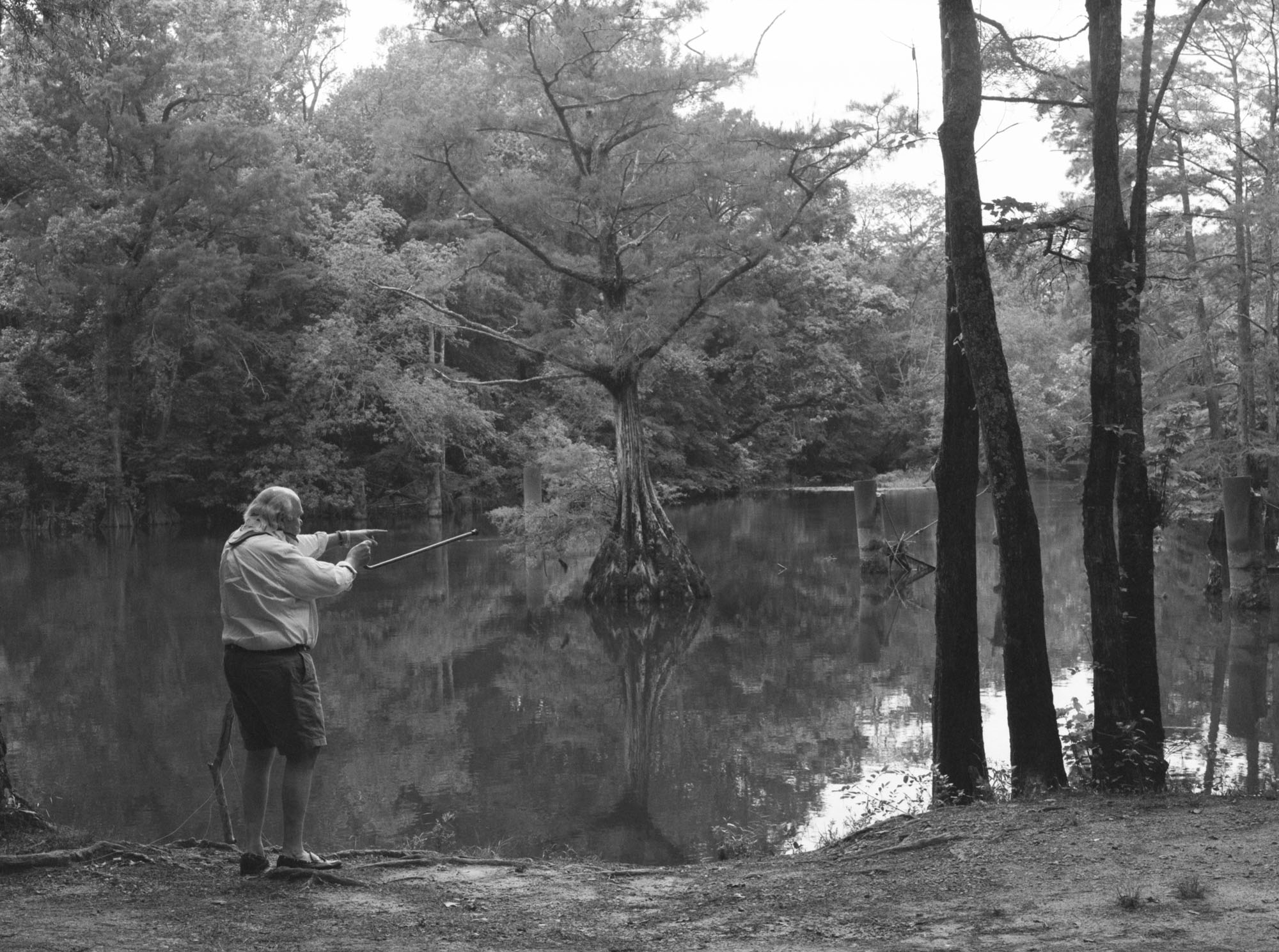
John Quarstein. Cypress Bridge over Nottoway River. 2023 / Nat Turner Insurrection. 1831
©Mikael Levin -
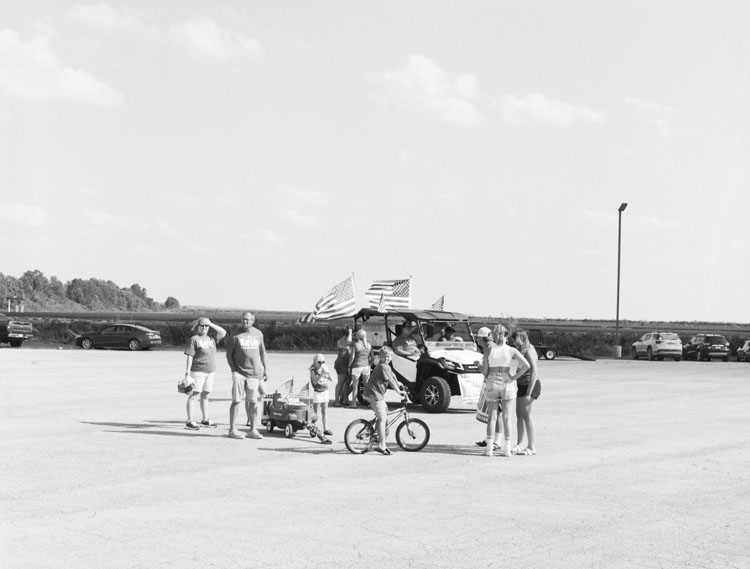
4th of July. La Grange, Missouri. 2022 / The Lin Uprising, 1849
©Mikael Levin -
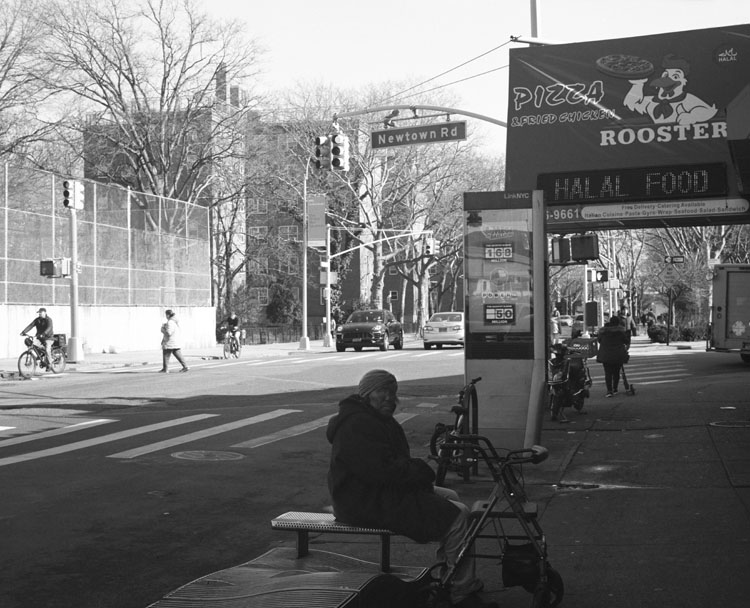
Astoria, Queens, New York. 2021 / The Newtown Revolt, 1708
©Mikael Levin -
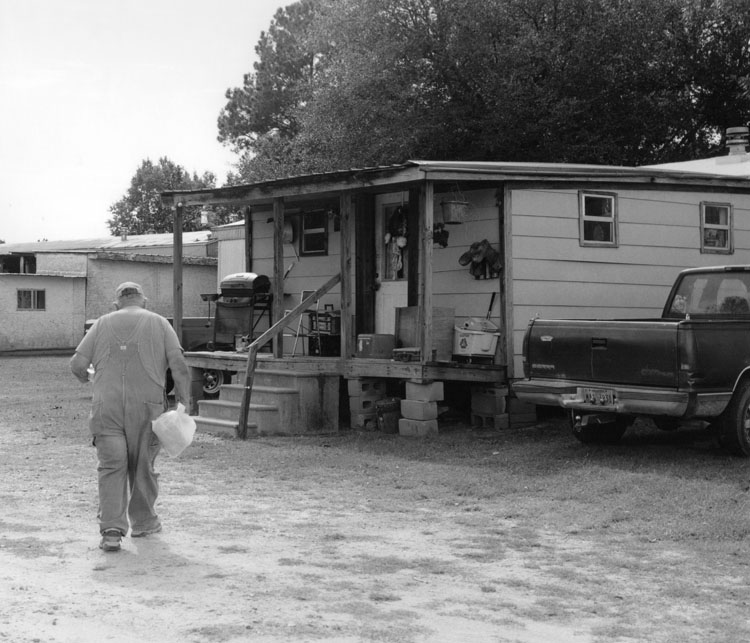
Lizzie Ln, off Route 22, Madison County, Mississippi. 2021 / Madison and Hinds Counties Rebellion, 1835
©Mikael Levin -
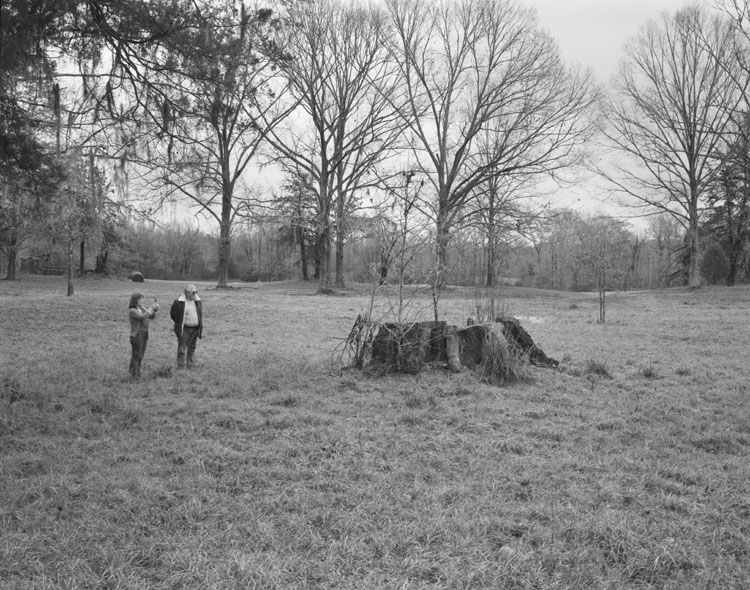
The Hanging Tree. Cherry Grove Plantation. Adams County, Mississippi. 2024 / The Second Creek Conspiracy, 1861
©Mikael Levin -
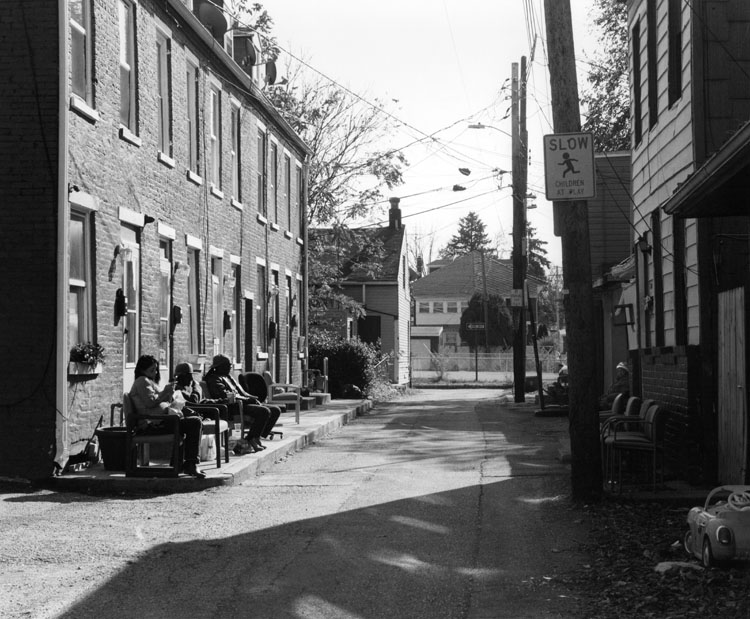
York, Pennsylvania. 2019 / Margaret Bradley Conspiracy, 1803
©Mikael Levin
PGI is pleased to present Critical Places, the first solo exhibition in Japan by Mikael Levin.
Levin began his career as a photographer in 1977 with a solo exhibition at The Photographers’ Gallery in London. Since then, he has created a diverse body of work that examines themes such as place, identity, and temporality. He lives on Long Island in New York.
This exhibition consists of photographs from the series Critical Places; Sites of American Slave Rebellion. For this series, Levin visited sites of historical slave rebellions across the U.S. and photographed the present-day landscapes.
At first glance, these photographs appear to depict ordinary scenes of everyday life. However, from the early 1700s to the 1800s, these places were locations of rebellions and uprisings against slavery. There are no monuments or signs to commemorate these events. The traces of what had once occurred are buried within the everyday scenes of vacant lots, roads, forests, and residential areas.
Levin visited these locations in person and captured his experiences in photographs. By confronting these landscapes through the camera, he questions our approach to and awareness of history. The difference between what is remembered and what is forgotten is not merely a neutral gap in history. The processes of remembering and forgetting are deeply influenced by societal values, beliefs, and power dynamics.
Mikael Levin’s career as a photographer spans several decades and includes numerous accolades, such as being selected as a Guggenheim Fellow in 2025. The exhibition Critical Places at PGI marks the first time he presents his work to Japanese audiences.
The exhibition features approximately 25 gelatin silver prints from the series Critical Places; Sites of American Slave Rebellion.
Critical Places is about how the rebellions of the enslaved are remembered (or not remembered) in the landscape. Through my experience of these places, as witnessed in my photographs, I am marking them as critical places in a topography of historical consciousness, bringing forward how I see these rebellions still echoing in social patterns and economic structures.
Most of what has been written focuses on only a handful of the larger rebellions, all characterized by violent spectacle. But what is left out is the actual scope of these rebellions—that there were over 250 of them, taking place from the very first arrival of enslaved people from Africa through to the Civil War. Also left out is that, as with the many other ways in which the enslaved resisted their bondage, the revolts took many forms, be it conspiracy, murder, escape, or, many times, that they were no more than rumors resulting in death. Little is known about most of these. To get a picture, one has to often read between the lines, and read the silences.
In the rebellions presented here I try to convey something of this fuller picture. That said, this should not be taken as authoritative accounting or summation of the story of the rebellions of the enslaved. That is not my place, nor am I in a position to do so, and others more qualified will undoubtedly point to rebellions with historical significance that I have not included. I recognize that mine is a more personal choice, corresponding to a more localized, granular view of history, as evinced in the everydayness of the scenes that I photograph.
Mikael Levin
Mikael Levin
Born in New York City in 1954, Mikael Levin is of American and French nationality and lives on Long Island, NY. His work explores our conceptions of place, identity, and temporality, giving form to memory.
He was the recipient of a Guggenheim Fellowship in 2025. Solo museum exhibitions include the Musée d’art et d’histoire du Judaïsme, Paris, 2010, the Berardo Museum, Lisbon, 2009, the Bibliothèque nationale de France, Paris, 2003, the International Center of Photography, New York, 1997, and Fundacion Mendoza, Caracas, 1980. Collections include the Whitney Museum of American Art, New York, the Jüdisches Museum, Berlin, the Centre National des Arts Plastiques, Paris, and Moderna Museet, Stockholm. His work was presented at the Venice Biennale in 2003.