Kenro Izu
India: Where prayer echoes
Jul 22 - Sep 16, 2026
Summer Holiday: Aug 8-16
PGI
-
©Kenro Izu
-
©Kenro Izu
-
©Kenro Izu
-
©Kenro Izu
-
©Kenro Izu
-
©Kenro Izu
PGI is pleased to present Kenro Izu’s solo exhibition India: Where prayer echoes.
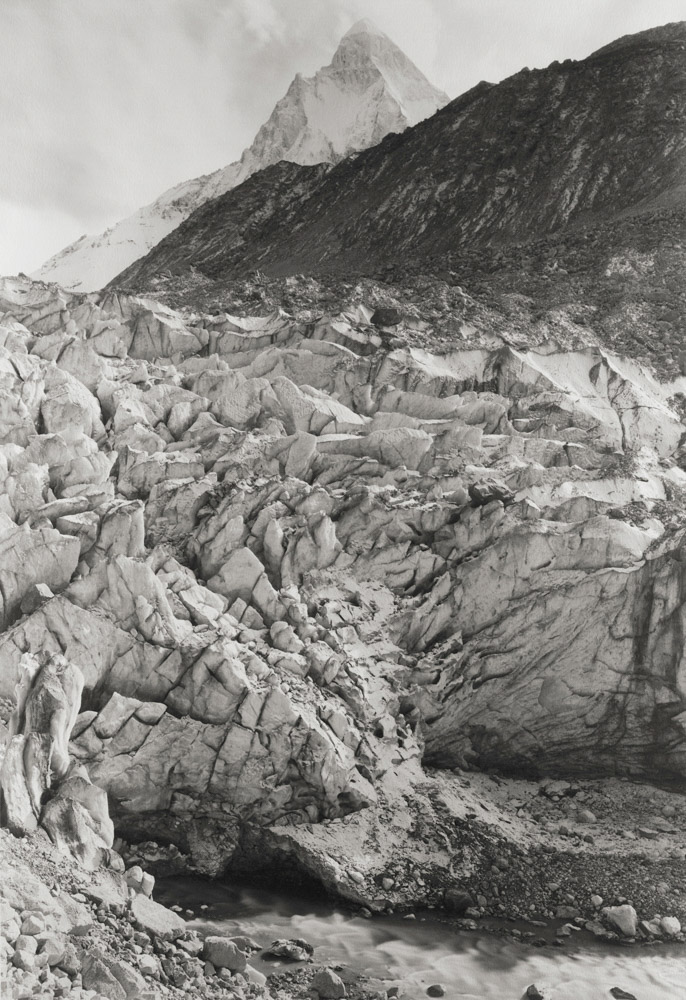
Izu left Japan for New York in 1971 at the age of 21. For over 50 years, he has explored themes of prayer and human dignity in his work to widespread international acclaim. During his first visit to Egypt in 1979, he became fascinated by presences beyond human understanding and began photographing holy sites, stone ruins, and sacred architecture around the world. Using large-format film and the platinum-palladium printing process, Izu creates images that capture the dense atmosphere and sense of sanctity that permeate these places in extraordinary detail and rich tonal gradation. Shaped by the long periods he spends with his subjects, each photograph stirs viewers’ imaginations and emotions by conveying a place’s passage of time and its intangible presence.
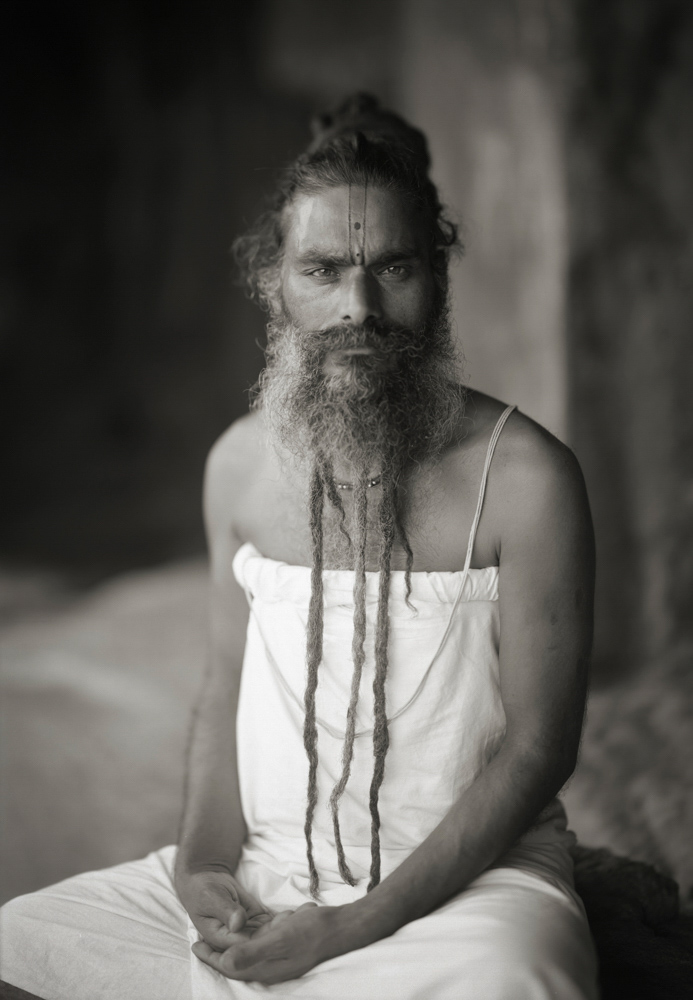
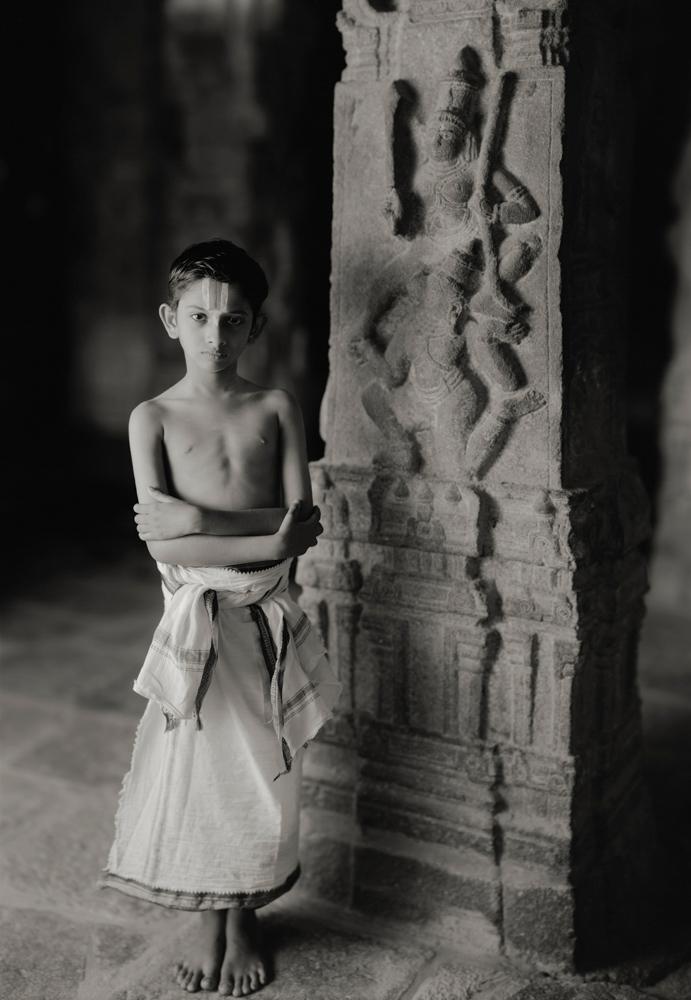
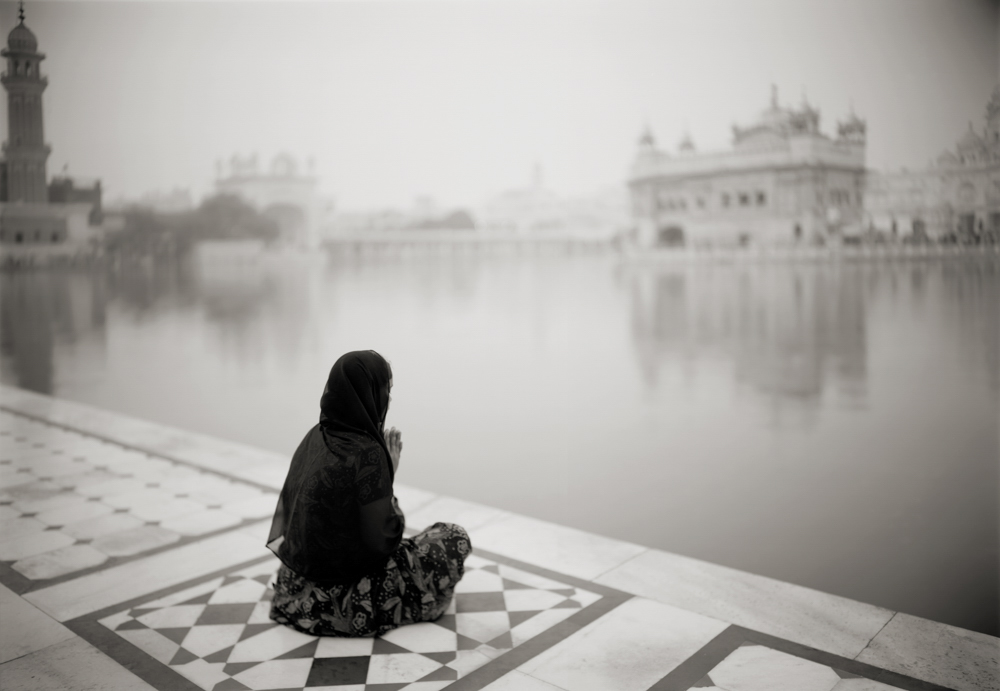
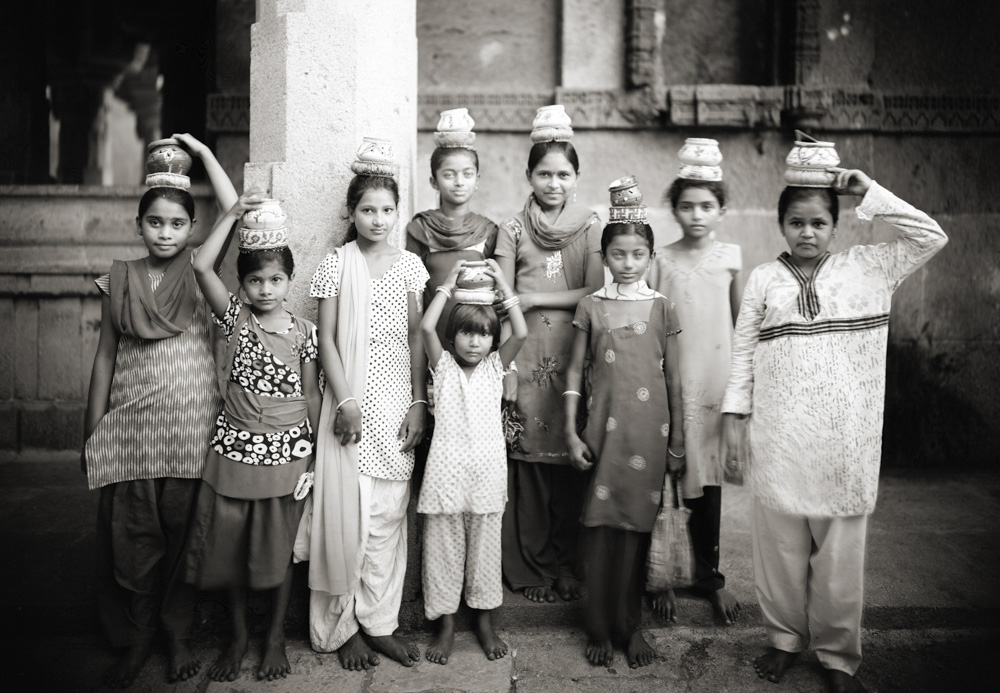
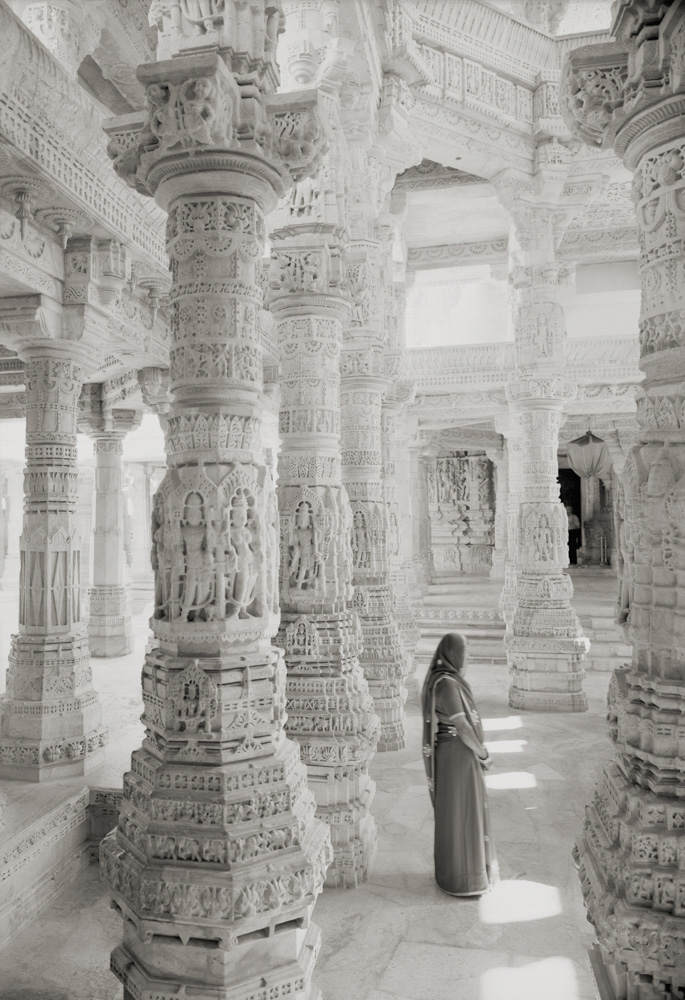
India: Where prayer echoes is part of Izu’s Sacred Places series and marks a shift in focus from sacred places themselves to people connected with them. Following a visit to India in 1996, Izu decided to temporarily suspend his photographic work in the country. While photographing in Bhutan during the following years, he realized that a holy sites is not created through physical architecture but created and maintained by living people. When Izu returned to India in 2008, he directed his attention from places of prayer to the people who pray at them. Amid India’s ubiquitous noise and chaos, faith is deeply woven into people’s existence and stands out as one of the most disciplined practices of daily life. Fascinated by how people humble themselves in prayer, Izu spent the next five years photographing moments of serenity amidst the daily turmoil.
Similar to his earlier work in the Sacred Places series, the photographs in this exhibition are platinum-palladium contact prints made from negatives exposed with a 14×20-inch ultra-large-format camera. The quiet resolve and inner expressions revealed when people stand before his imposing camera are captured in elegant monochrome using the deep tonal range of the platinum-palladium process and the distinctive texture of watercolor paper.
The exhibition features approximately 20 platinum-palladium contact prints and quietly reflects on prayer as a fundamental human act and on the inner peace it can bring.
On an afternoon in Varanasi, India, in 1996, I witnessed my first cremation.
Hindus in India yearn their whole lives to be cremated on the banks of the holy Ganges River, which they believe is the closest place to a better life after reincarnation.
From the time the corpse was carried in, covered in cloth and adorned with flowers, to when the eldest family members cast the cremated remains into the river, a mere three and a half hours passed. After the family left, engaged in friendly chatter, an old man who worked at the cremation site swept the remaining ash away with a broom. In the end, nothing remained.
That evening, I waited for dusk at an old Hindu temple near the cremation site, whose ruins slanted toward the Ganges. Slowly, a cow, a holy animal in India, appeared and then left again as little boats continued to float by on the river.
When the sun had set and the remaining light cast a faint glow on the nearby ruins, a strange presence came over me.
Suddenly the noise from the market behind me faded into the distance.
When I witnessed these human cremation rituals in 1996 and 1997, I lost confidence in my attitude toward death. I decided to leave India behind for a while and instead started photographing sacred sites in other countries. I had always deliberately photographed holy buildings and spaces without including people in the frame. But after 2003, during the four years I spent photographing in Bhutan, I realized that sacred sites are places created and maintained by people. I became interested in India again, especially in the people who live in its sacred sites, and eventually returned to the country in 2008.
In India, the connection between faith and daily life is surprisingly deep. Children stop in their tracks on their way to school to pray, and elderly people bring offerings of food and water to neighborhood shrines each morning and evening. Amidst the constant chaos of India, with its erratic driving, traffic jams, and seemingly impassable crossroads, the practice of faith is remarkably disciplined. With my interest renewed, I shifted the focus of my photography from places of worship to the people who pray there.
I was struck by the profound beauty of prayer. In this small act, all people alike humble themselves as they address their god. I began to understand how far the human ego is from beauty. In the chaos and noise, serenity still exists in places of prayer. Throughout my five years in India, I was able to keep a calm mind as I continued to photograph.
Throughout this project, I have reflected on the nature of prayer. Over time, the focus of our prayers has changed from natural objects like the sun, mountains, and trees in prehistoric times to animals and eventually religious deities. People pray when faced with problems beyond their control. They pray in the belief that there is a higher existence – be it God, Buddha, or the Creator – with the power to change what they cannot. They pray in the hope that their situation will improve or their wishes will come true.
While some pray for some kind of benefit, others pray simply to devote themselves to God, Buddha, or the Creator. For them, the act of prayer itself is a way to attain peace of mind. Praying is an act of humility. In all the years I spent traveling to sacred sites, I loved this aspect more than anything else.
There is a special sense of resolve that emerges when people are faced with a large-format camera and lens. It is a deeper, more profound expression than the way people naturally look when captured by a small camera. Similar to my previous work on sacred sites, I produced this series using 14×20–inch film and the platinum-palladium printing technique.
Kenro Izu, May 28, 2026
Kenro Izu was born in Osaka, Japan in 1949. During studying art at Nihon University in Tokyo, Izu visited to New York, and decided to reside there at age of 21 for the next 50 years. Since 2021, Izu is residing at Kanazawa, Japan.
After opening of Kenro Izu Studio in New York City in 1974, Izu started traveling and photographed world’s “Sacred Places” in 1979, and since then the project become his life-long work.
From 2013 to 2016, A documentary project “Eternal Light” of the people who live and die in the fringe of India society.
From 2015 to 2017, a project of “Pompeii Requiem” to portray the city and people vanished nearly 2000 years ago by volcanic eruption at Pompeii, Italy.
From 2017 to 2019, a project, “Fuzhou-The forgotten land” in China was completed.
In 2018 “Noh” project has started. As a part of “Mono no Aware”, this is the first photographic project about Japan, to explore the sense of beauty distinctly in Japan,
Is still in progress.
“India, Where prayer echoes” photographed in India from 2008 to 2013, after I realized that the sacred place is determined and maintained by people. People is the essence of “Sacred Places”, and revisited to photograph the people live around the places previously photographed.
Izu has published 20 books which include Sacred Places(Arena Editions), Bhutan sacred within (Nazraeli press), 30 years retrospective (Nazraeli press), Seduction (Damiani), Eternal Light (Steidle), Requiem of Pompeii (Skira) and Mujo-Impermanence 50 years journey (Varitas Edition) and Mono no Aware (Nazraeli press)
Izu is a recipient of awards and fellowship, include National Endowment for Arts, New York Foundation for Arts, Guggenheim Fellowship and Lucie Visionary Award
Izu’s work has been exhibited in Rubin Museum of Art (New York), Arthur M. Sackler Gallery (Washington, D.C.), Kiyosato Photographic Art Museum, (Yamanashi, Japan), Howard Greenberg Gallery (New York), Persiehl & Heine (Hamburg, Germany), In Camera Gallery (Paris, France), Fondazione Fotografia Modena (Modena, Italy), Nabshi Center (Tehran, Iran) and other museums and galleries of USA, Europe and Asia.